Unknown's avatar

wake and walk out

If I flinched at every grief, I
would be an intelligent idiot.  If

I were not the sun, I’d ebb and
flow like sadness.  If you were not

my guide, I’d wander lost in Sanai.
If there were no light, I’d keep

opening and closing the door.  If
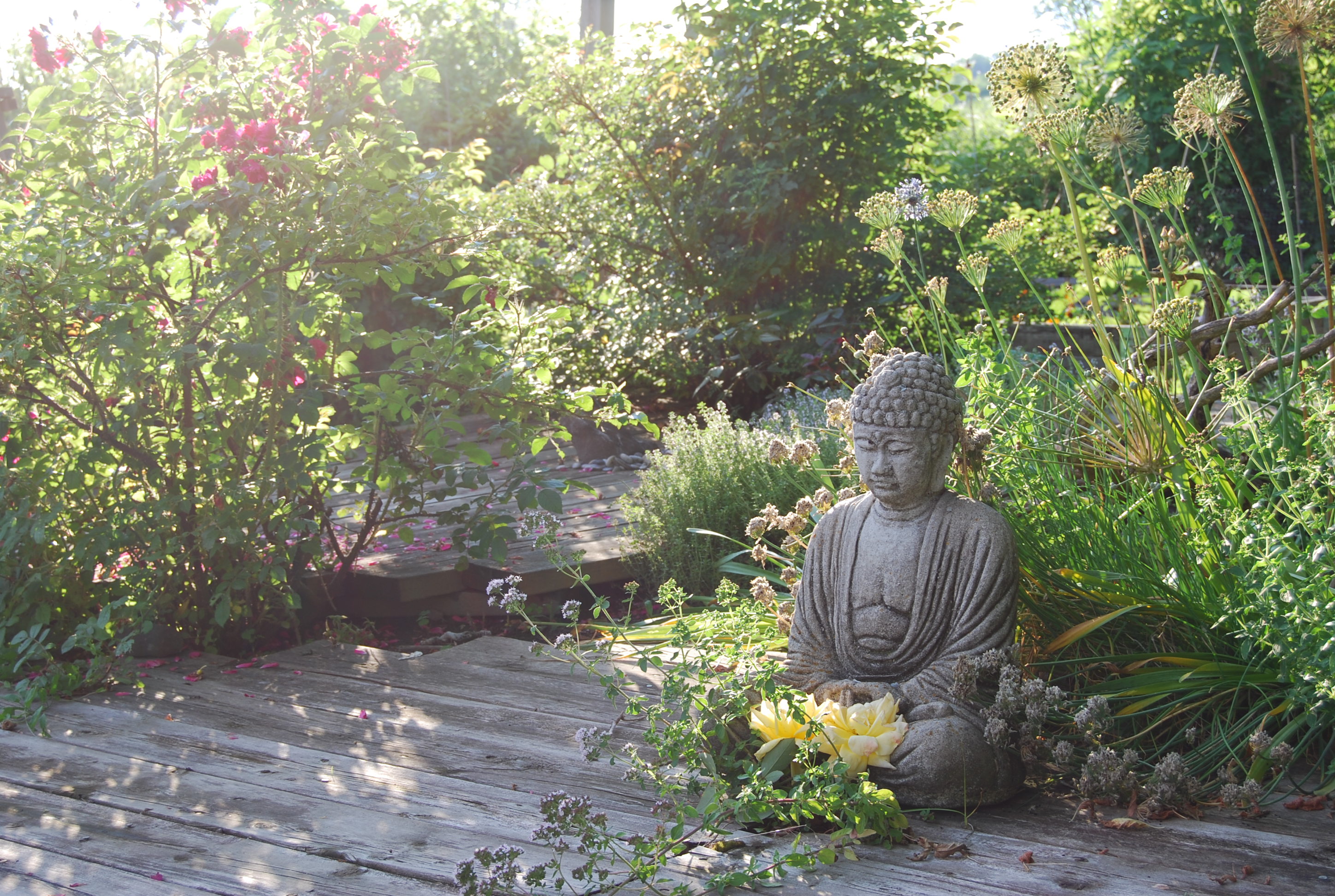
there were no rose garden, where

would the morning breezes go?  If
love did not want music and laughter

and poetry, what would I say?  If
you were not medicine, I would look

sick and skinny.  If there were no
leafy limbs in the air, there would

be no wet roots.  If no giftes were
given, I’d grow arrogant and cruel.

If there were no way into God, I
would not have lain in the grave of

this body so long.  If there were no
way from left to right, I could not

be swaying with the grasses.  If
there were no grace and no kindness,

conversation would be useless, and
nothing we do would matter.  Listen

to the new stories that begin every
day.  If light were not beginning

again in the east, I would not now
wake and walk out inside this dawn.

Rumi

(from The Soul of Rumi: a new collection of ecstatic poems

translated by Coleman Barks)

Unknown's avatar

theoblogger challenge: god in 100 words

Patheos is a fascinating site offering a “balanced view of Religion and Spirituality.”  Debra Arca Mooney of Patheos contacted me about 10 days ago and offered a “theoblogger” challenge:

Who/What is God?

In 100 words or less

A previous challenge had been issued to a selection of Christian writers.  As a result of the responses to that challenge, bloggers across a variety of faith traditions were asked to participate.  As a Buddhist, I wondered how to even begin since Buddhism didn’t carry a premise of “God”.  Yet, there is an experience of the sacred – at least as I comprehend it in my own limited mind.  If nothing else, participating has forced me to struggle with the slip-sliding nature of language in trying to articulate the experience, result, and outcome of practice.

My response:

The concept of a singular God is not in found Buddhism.  There is only practice as Buddha, which means “One who is Awakened.”  An adjective, Buddha describes our capacity to cultivate joy, love, compassion, and equanimity.  Being Buddha means full engagement in life without preference for something different to be happening for or to us.  It is practicing authenticity and the courage to live ethically.  It cultivates living fiercely, fearless of the crucible which transforms our greed, rejection, and disconnect to generosity, open heartedness, and wisdom.  Then, we see sacredness in the ordinary: a cup of tea, a falling leaf.

It, along with the other featured bloggers, can be found here.  Please visit Patheos to read the variety of responses.  Also share your response – here and there – to the question (in 100 words or less!).

Thank you for practicing,

Genju