


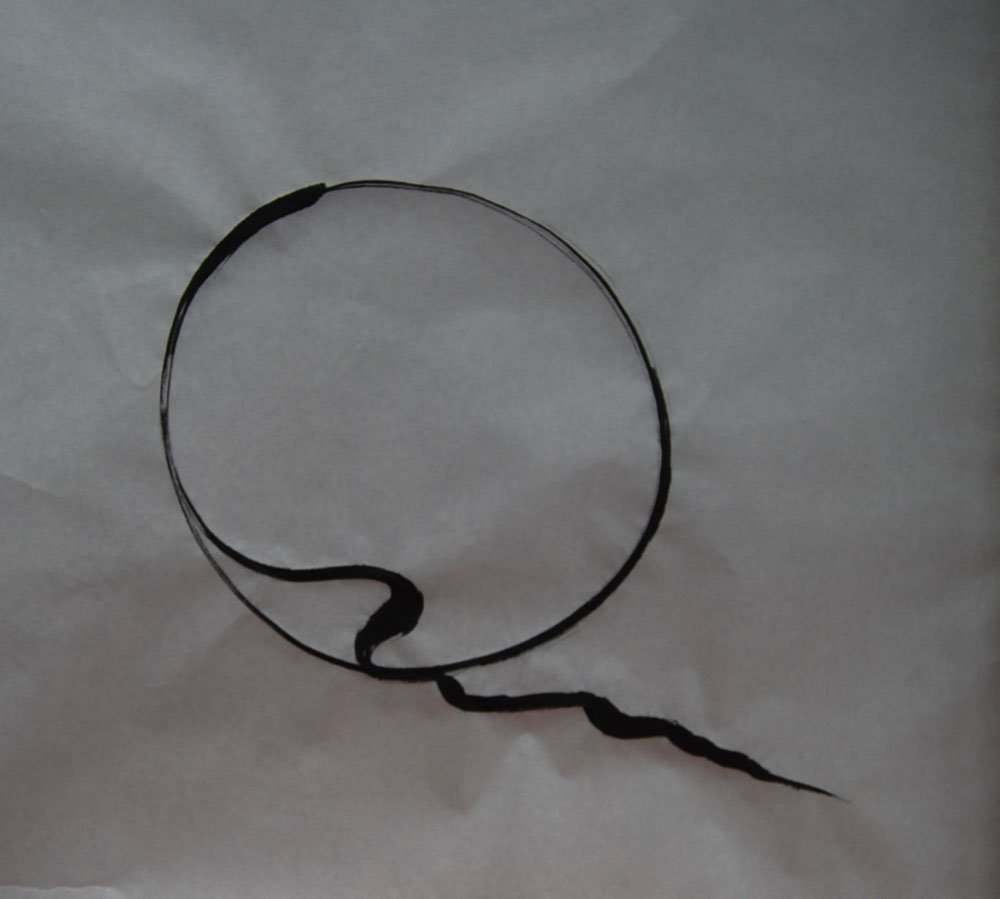
that which you are
what is it
that comes
and goes,
anchoring
past and
present,
seizing
the heart
in this breath
now this
now this
now this
~~~~~~~~~~~~~~~~~~~~~~~~~~~~~~~~~~~~~~~~~~~~~~~~~~~~~~~~~~~~~
We began with the recognition of our yearning for something to complete us and travelled through the twisted inner roads, learning that the journey is not about what we crave. It is about the relationship we have with ourselves as needing, wanting, desiring creatures. Kabir (Wanting-Creature*) is a gentle and knowing guide in these matters:
I said to the wanting-creature inside me:
what is this river you want to cross?There are no travelers on the river-road, and no road.
Do you see anyone moving about on that bank, or
resting?
I began this blog as a way of coming to terms with several losses: friendships, communities, trust that arms which could have caught me would. In my pain, I created a suffering-belief that if I could just get across this river, I would heal and move on. This space became the Ox that would carry me across. Over the months of agonizing about my writing, my brush art, my practice, it evolved into a space where I met with wise and beautiful beings who sat with me as we tried to figure out the paradox of needing to cross this river that really isn’t there. And that became the Ox.
There is no river at all, and no boat, and no boatman.
There is no towrope either, and no one to pull it.
There is no ground, no sky, no time no bank, no ford!
And there is no body, and no mind!
The Ox is easier to tame when it is something tangible. My body understands the hours of rigorous work required to master a physical activity. Even my mind understands what it takes to cultivate a strong knowledge base (it understands but has yet to build one that isn’t wonky in some way or the other). But this well of rising and falling sensations that so quickly take on shape and meaning is a battle with mists and spirits. My commitment to writing everyday, and thinking about writing when I wasn’t, helped. Like laying down straw on muddy paths, it eased the transition from one moment to the next. And yet, and yet, the belief was strong that there was a home I would reach where this suffering would end.
Do you believe there is some place that will make the
soul less thirsty?
In that great absence you will find nothing.
Opening to the inspirations of other writers in this virtual universe (you all know who you are!), I found “some place” would briefly be “here” and the “great absence” could be comforting. Never for long but long enough to face my delusions, to let go of the concept that healing happened on the other side of this non-river.
Be strong then, and enter into your own body;
there you have a solid place for your feet.Think about it carefully!
Don’t go off somewhere else!
I have no illusions of having transcended the causes and conditions of pain. There are no illusions of forgiveness or a transformation in my deep desire for this to be different. I do go off “somewhere else.” And I come back, here. Regardless of the ephemeral nature of the Ox or the convoluted turns of the journey, I realize that I cannot be other than where I am. And in this solid place beneath my feet, my practice is nothing more than to show up for all that I am.
Kabir says this: just throw away all thoughts of
imaginary things,
and stand firm in that which you are.
Here. As I am. For now…
… in what is actually the Second-to-Last frame of our Ox-Herding journey.
Thank you for travelling with me and for all your comments, laughter, and love.
Most of all,
Thank you for practicing,
Genju
*The Kabir Book: Forty Four of the Ecstatic Poems of Kabir
Translation by Robert Bly.
Beacon Press, Boston, 1993.
 108zenbooks