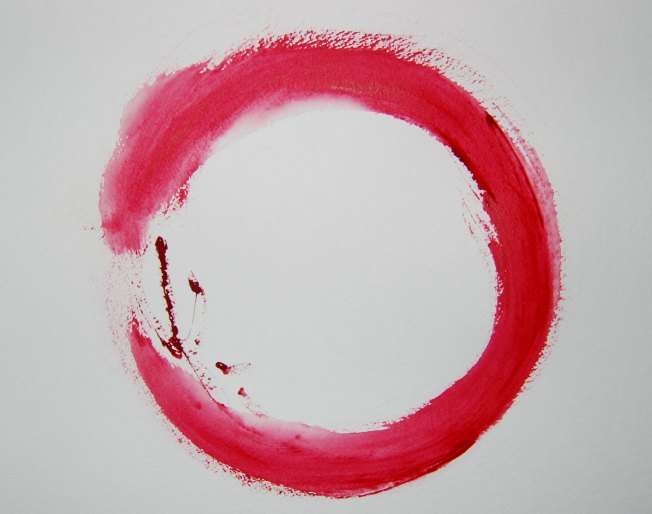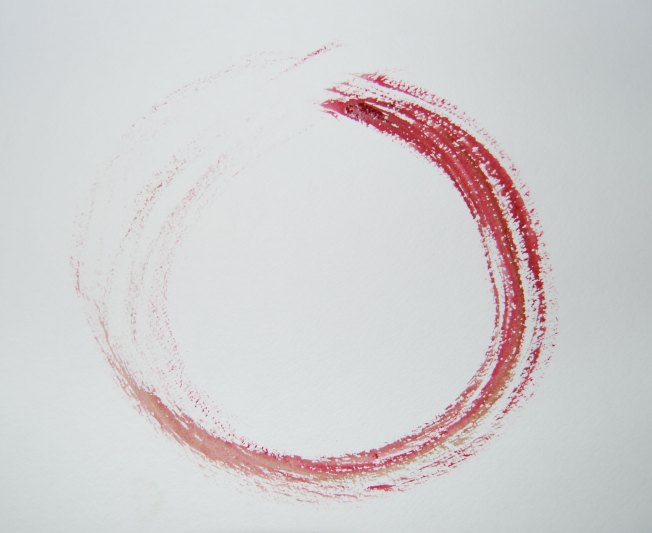
Gardens give us wonderful practice in enjoying the fruits of our failure. The weather here over the weekend was astonishing and much of the time was spent over weeds and under shrubs. The walkway was rescued from a variety of growth and I took the decisive steps in pruning the Nishiki which was bullying the azalea. The Anemone looked a little lost but is sure to find its way again. The Kniphofia however have gone the way of all organics as has the calla lilly. I had little hope for the latter, being a tropical plant and all. But the Kniphofia? It’s lasted for years. It appears some vagary of cold, wet, and a butterfly flapping in Mongolia has knipped off its mortality! Too much sun. I will be better tomorrow.
That does remind me of failures though. I don’t fail. I disintegrate. Oh, over the years I’ve learned to mouth the psycho-politically correct things about failure being good for you, motivation to get up one more time, etc. I’ve re-framed failure for others as another opportunity to be creative, a chance to re-invent oneself. Oh yes, and when it seems like you’re invisible to those who hold the reins of power over your life, why, just take a different stance to their cruel ignorance of your worth. These ministrations seem to work for everyone – really, people get better at being one with their failing. Pas moi.
Apparently, not only do I fail at failing well, I fail at rehabilitating from failure too. (No happy ending to this state of mine will be attained by the end of this post, btw.) ‘Tis a conundrum. I do try. I try my hardest at failing well, gracefully, with insight and a realistic stance to owning what was mine and not turning on the flamethrowers in the direction of what might be the owners of what was not mine. I don’t know how well I do with that because I’m too busy plotting success – which apparently is the best form of revenge. I suck at that too.
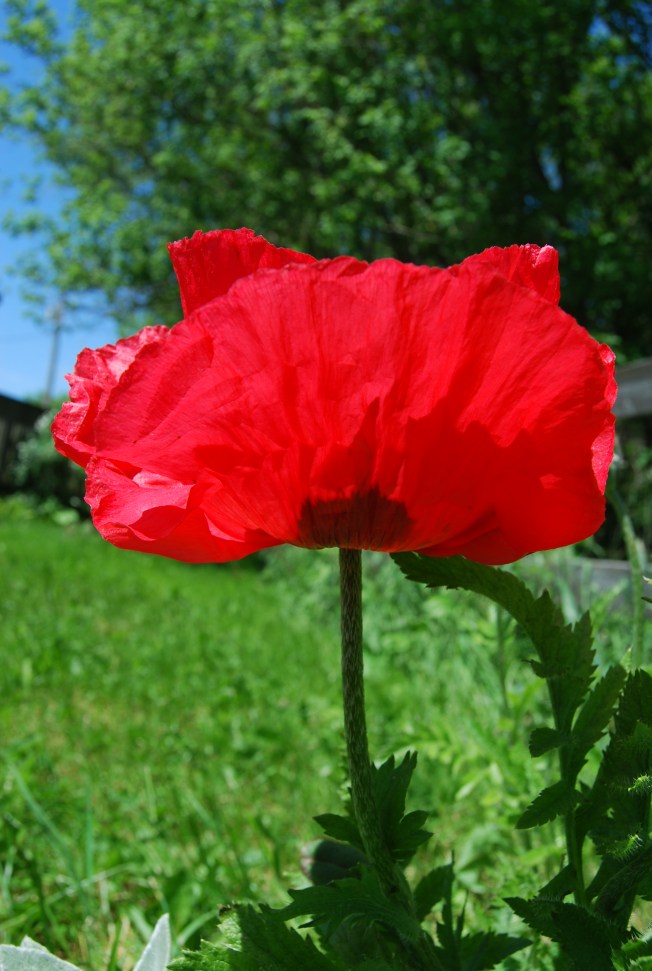 So, I’ve been observing how the garden fails. It seems rather effortless. There is this intense blossoming at the start and then things seem to just fade away. Quietly. No fuss. No gnashing of kniphofias. No bungling of bee balms. Silent absorption into its original state. What is the original face of the flower before it bloomed?
I might try that. I think I could be rather good in quiet failings.
Some failure is inevitable. It is impossible to live without failure at something – unless you live so cautiously that you might as well not have lived at all. In which case you’ve failed by default.
JK Rowling
(Rowling gave the commencement speech at Harvard. It’s an amazing talk on the power not only of failure but of wisdom and community. You can see it here.)