

GRATITUDE
Whatever it is,
I cannot understand it,
although gratitude
stubbornly overcomes me
until I’m reduced to tears.Saigyo
 Entering Zen by Ben Howard is one of those stealthy books that can overcome you page by quiet page. And at times, as I read it in a cabin tucked into the misty Catskills, it did reduce me to tears. There is a simplicity in Howard’s words, something that makes this book and his blog posts (One Time, One Meeting ) a place of exploration that is simultaneously safe and challenging to enter.
These 75 essays offer teachings on Zen that show the practice as basic yet intricate, ordinary yet elegant. To shine these jewels of practice, Howard draws from his immense knowledge and wisdom of literature, poetry, Buddhist practice, and an intimacy with his own life. The tone of each chapter is by turn filled with delight at a child’s creativity, nostalgic for ways of living long gone, and delicate in unfolding a complex concept like sabi or wabi sabi.
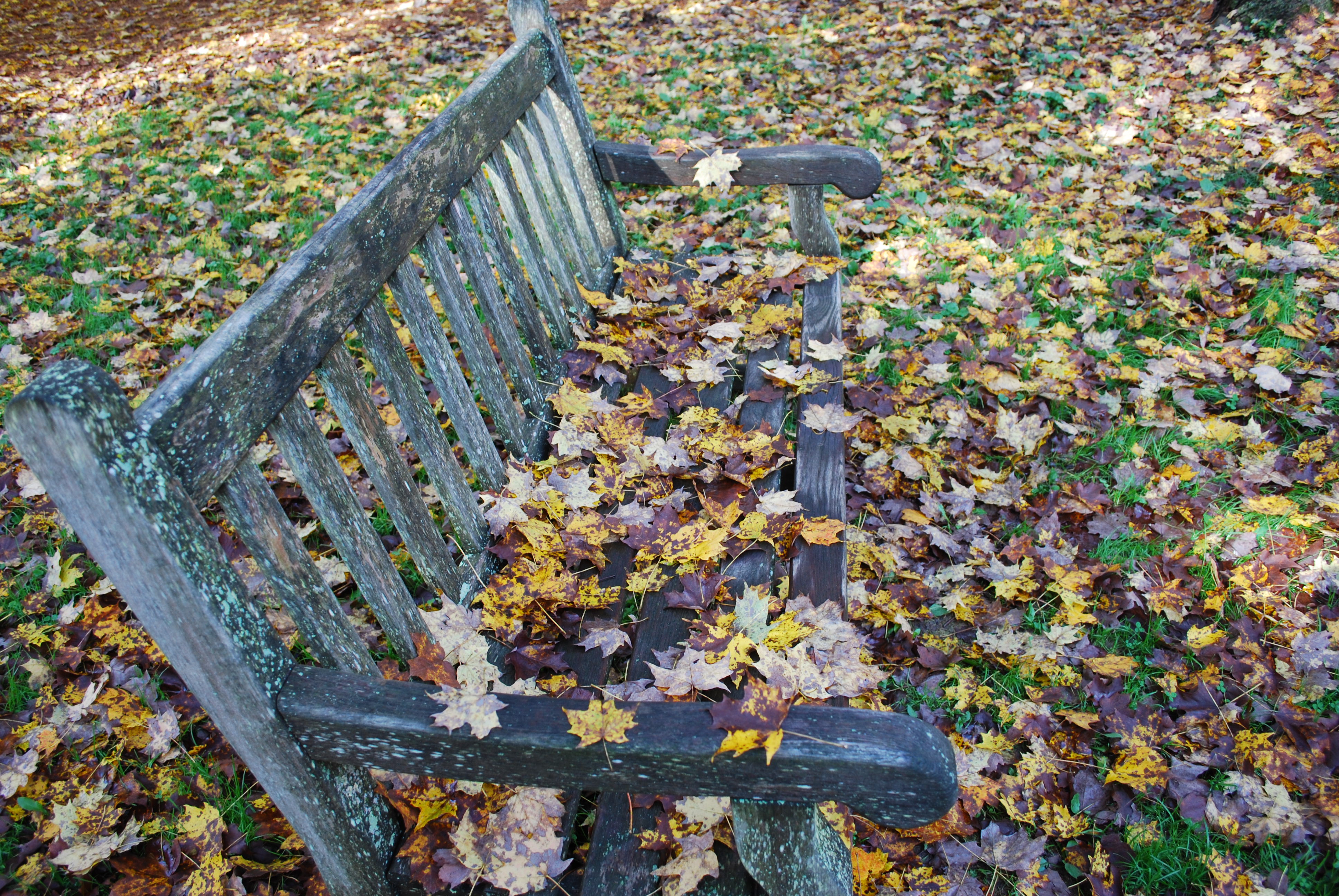
Weathered Wood, the chapter which does the latter, is likely my favourite because Howard draws us in with a lovely poignant explanation of sabi and extends it to an appreciation of how our lives progress as a “bloom of time.” He teaches from the wisdom of Tadao Ando, an architect:
Sabi by itself means “the bloom of time.” It connotes natural progression – tarnish, hoariness, rust – the extinguished gloss of that which once sparkled. It’s the understanding that beauty is fleeting…Sabi things carry the burden of their years with dignity and grace: the chilly mottled surface of an oxidized silver bowl, the yielding gray of weathered wood, the elegant withering of a bereft autumn bough.
Howard goes on to point out that sabi carries a suggestion of imperfection. This is not the imperfection of wrongness or improper creation; it is the imperfection that confirms the authenticity of a life being lived. And this is the heart of Zen practice: the confirmation that an authentic life is one lived intimately with the truth of imperfection.
Throughout the book, Howard writes with an ease that comes from his skill as a teacher of English Literature, a musician, and his long-standing practice with different teachers. He brings out the wisdom and compassion of Dogen, Jack Kornfield, Thich Nhat Hanh, and Toni Packer with the same precise skill as what he extracts from poets Seamus Heany, Mary Oliver, and Gary Snyder. It can be intimidating and somehow Howard manages to make the accessibility of the complexities of the dharma seem to be our own wisdom. And, his consternation at vanity plates that say “ME” notwithstanding, I do feel the urge to whisper at the end of each chapter, “I did it!”
As the current trend in Buddhist writings leans towards snappy phrases and promises of liberation by the last chapter, Howard’s writings are refreshingly honest. Practice takes effort. It is worthy of our attention. It grants us “refuge… more dependable than any bank and more durable than any mountain.” It is no more or less than this, just this.
 108zenbooks