

It’s been a bittersweet weekend of change. My dear dharma friend from Upaya Zen Center is in town and I used the joyful energy of her visit to carry me through a fear I’ve been nurturing for two years. I needed (desired, wanted, was desperate to) transplant my parents’ roses from their (now-empty) home in Montreal to my rose garden here on the farm. They were both avid gardeners – specifically of roses and the length of the bungalow was lined with bushes that regularly produced huge, fragrant blooms. None of this floribunda nonsense; these were fleshy, vivid, aromatic tea roses. In early Summer, the scent would fill my bedroom as I studied for one exam or the other and to this day, the very thought of calculating the time trains leaving cities would meet in the wilderness triggers the scent of roses.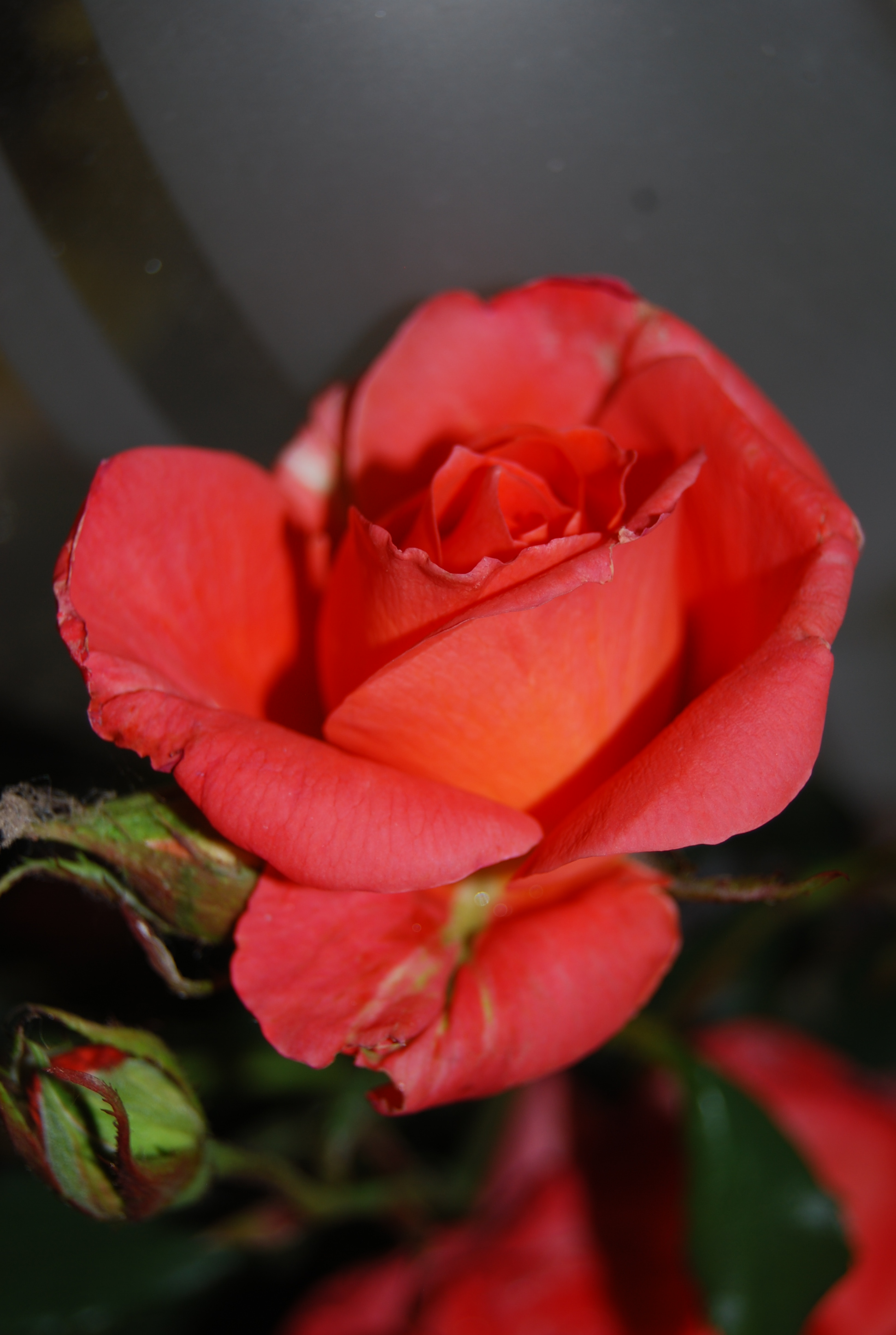
Digging up the roses and transporting them was an adventure. I was – and still am – overwhelmed with anxiety about the risk. Part of me wanted to leave them in the ground to see out their days; there were only three left from the dozens planted over 20 years ago. Part of me wanted to possess them because they are the last objective, sensory connection I have with my parents. And part of me, tired of the scentless hybrids, truly wants a real rose, one that evokes a heady surrender to the sensuous. But roses, especially old ones, don’t take kindly to being hauled out of their home and dumped into new soil. In the end, rationality won out; left they would likely die, taken might survive.
By Saturday evening, all three had been planted lovingly by my friend with Frank serving as brute labour. I played the role of somewhat useless philosopher trying to find a metaphoric link to Zen practice. There is elegance in the classic, traditional form of these (now called) heritage roses that, when experienced, helps to apprehend, 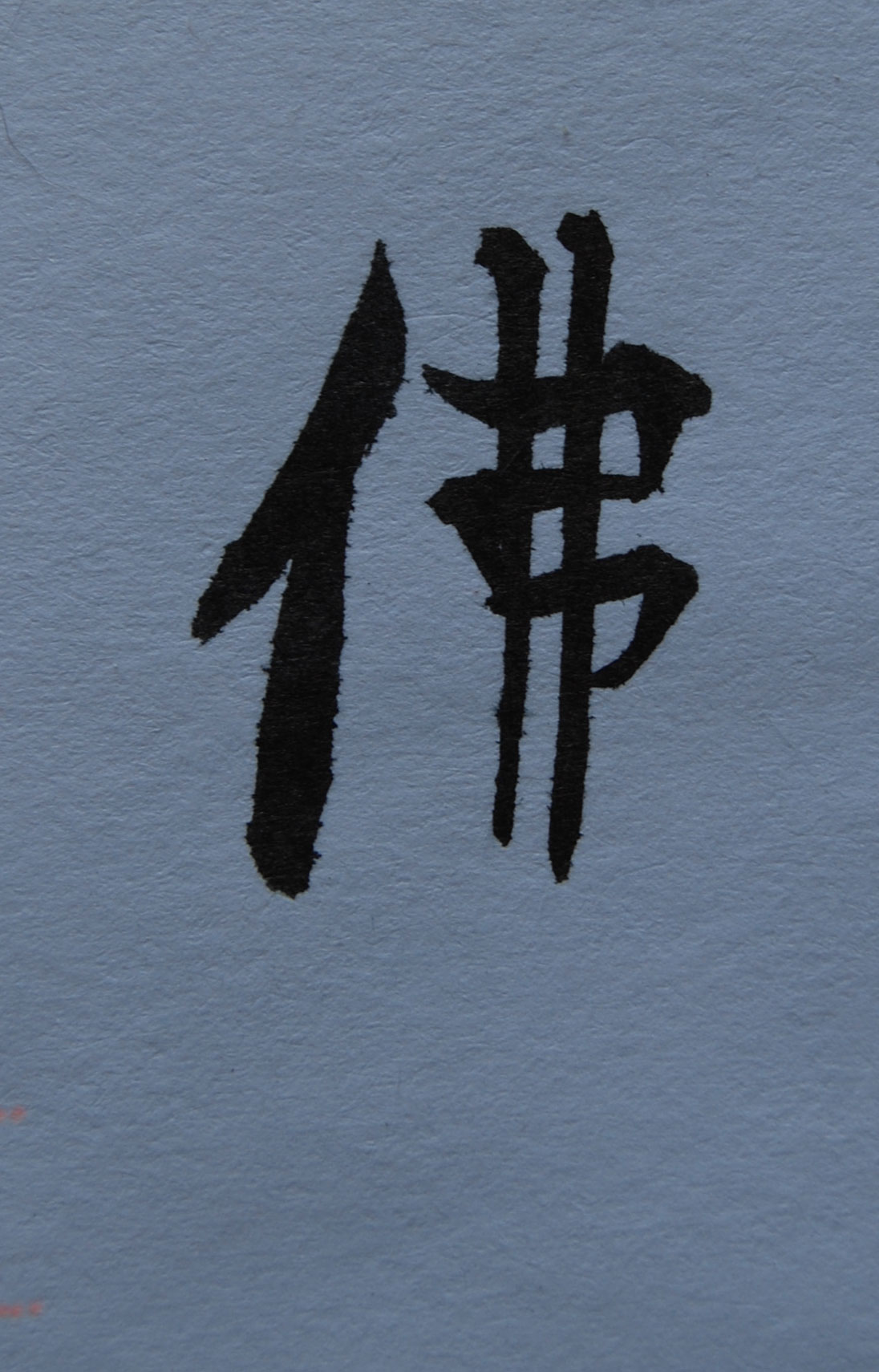 comprehend, and appreciate the variants that grew from this original form. My shodo teacher insisted that only by mastering the the classic lines of a kanji script (buddha13) could a variant or modification make sense or even flow.
Maybe there is something in this about coming to Zen practice.
When I listen to what brings people to Zen practice, it becomes clear that few come because it’s Zen or a practice. In fact, they have little idea of a Zen practice – and often after a few visits express little interest in the forms of practice. When I respond to initial inquiries via email or on the phone, I emphasize, “We are a community that practices in the ZEN tradition of Thich Nhat Hanh.” The reply is usually “Oh, I’ve read all his books!” or “I love Thich Nhat Hanh.” That’s a good place to start, I say. And I add, “It’s a Buddhist community so we do things that are Buddhist like chanting and reciting.” There’s usually a silence followed by “When can I come?”
At this point what I really want to say is, “Are you sure you want to transplant yourself to this new ground? You know, it’s hard clay some days. And others, it’s like sludge or a swamp. Your roots may not be able to absorb the nutrients quickly enough to nourish you or they may find them toxic. You’re likely to be planted beside a bed of majoram or chives or a space hog who bullies you like the climbing rose beside my new Black Rose. It may be too hot, too wet, too dry. And what about the deep, deep freeze in the long dark months when it seems nothing will ever grow again? There will be nothing to do but sit, you know.”
But they’ll insist. And now I think I understand what they are searching for: that heady memory of the scent of roses from some distant moment when the world was secure, when everything seemed predictable, and there was a plan for the next ten years.
Thank you for practicing,
Genju

 108zenbooks