Unknown's avatar

hand-wash stones cold

DSC_0158 It’s the mantra of this season around the community: Tough winter. Lose everything?

I would hope so. Losing everything is the practice, isn’t it? Youth, good health, eternal life – these we know we are meant to lose. Ah but, let go? No. That’s a whole different matter. I’d rather die than let go and that has all the makings of a terrific TV drama. The sad thing is it’s my life drama. Dying is easy¹; letting go requires getting dirty.

A tough winter helps with letting go. So do two hooligan pups weighing in at 90 lbs apiece and loving the untrammelled joy of tearing through the dry bed garden. The results showed as the snow did its own letting go: a magnolia with top-kill, the Japanese maple looking gouged out and gnawed, the pebbles of the dry bed strewn hither and yon.

Determined to face this year’s disasters with equanimity, I dug deep beyond my typical tendency to overwhelm. This year would be different. I am, after all, a seasoned practitioner. So I sat in the Japanese garden by the upheaval of landscape material, stones, and cedar chips stuck to dollops of dog shit and cried. Crying is a normal function of a deep-felt embodied equanimity. Truly. In that moment of sensorily experiencing a vibrant mixture of soil, dirt, and poop, it is a statement of abject honesty which is the first part of equanimity.

The second is to start with what is at hand. Yes, even if it is dog poop. But if you’re really squeamish, do it first. Then pick up each rock, pebble, stone and wash off the debris of winter. Some things need a bit of help to let go of their accretions because they can’t quite do it for themselves. Sometimes we need to be the one driving that wedge between comfortably covered in useless material and frighteningly adrift in a cold wash of freedom.

And so I progressed from the Japanese garden to the walkway of the south garden.

DSC_0014


Then onto the veggie and rose gardens where there was much more letting go to be done. It’s easier to let go of weeds but making the decision to tear out the vegetable boxes and all the paraphernalia that went with it was a bizarre series of discussions that eventually amounted to confronting my attachment to “being fair” to a pile of rotting wood. Pruning back the overgrown rose bushes drove the point home quite literally. There is no logic to attachment, only a misperception of what we think we’re nurturing.

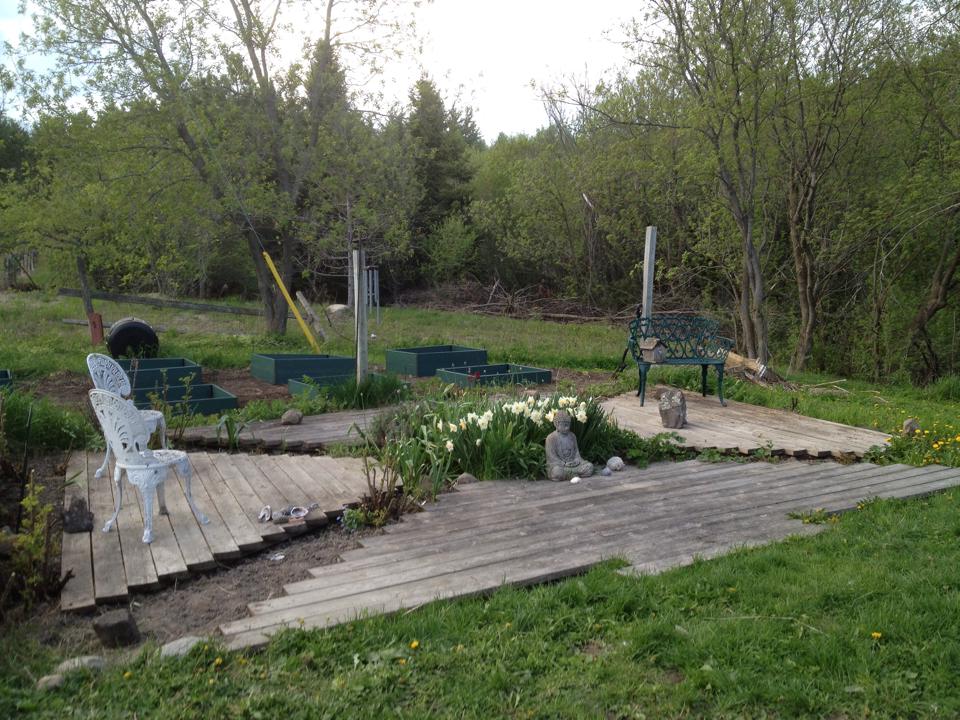
DSC_0040

rose garden


In the end all the procrastinating, crying, and debating culminated in a rather nice new layout.
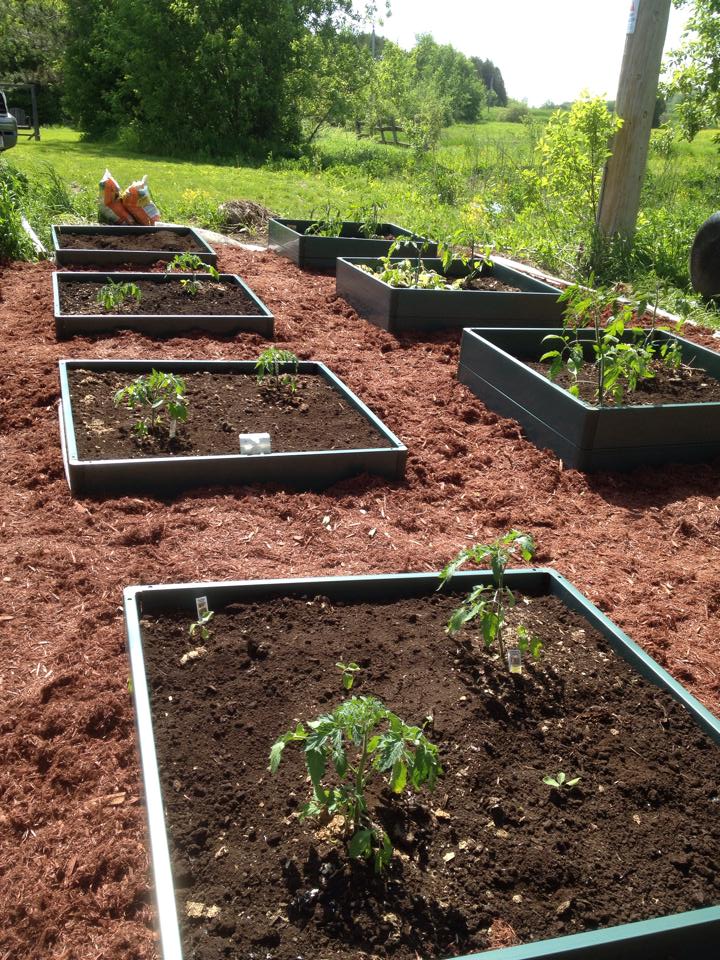
veggie boxes


Yes, it’s been a tough winter. And we didn’t lose much but we let go of everything.

————-

¹Ram Dass (2010). Dying is absolutely safe. Retrieved from 

Dying is Absolutely Safe – Awareness Beyond Death


Unknown's avatar

most intimate: zen lessons from roshi enkyo – book review

Pat Enkyo O’Hara roshi is the Abbot of the Village Zendo in New York City, a frequent visiting teacher at Upaya Zen Center, and traveller into the Himalayas on medical missions. Now she offers her teachings on Zen in Most Intimate: A Zen approach to life’s challenges (Shambhala Publications).

The book begins with the greatest challenge we encounter on this path of practice: intimacy with ourselves. It widens the circle of inclusion then to relationships and then all the sticky, icky stuff that gums up being with self and others. Sex, suffering, anger, work, death & dying. Joy and peace, too. Like any practice period though, it’s the journey through the sticky stuff that opens us into healing and making peace with who and how we are. Enkyo roshi brings all this to the cushion and mat with a light touch for both the joy and woe of being human.

Zen is a way of being in touch with our wholeness – our self without the overlay of what may have crept through in our history, without the stories we make about our life, without the defensiveness or delusions that we have built up to protect ourselves. Too often what we consciously or unconsciously use as “protection” can become a frame through which we view all of life; it is a distorted frame – a prison actually.

We are very familiar with that prison. Despite its constraints and filtering of our view, we often prefer to lie in it spinning imaginings of a life both unlived and unlivable. Yet what we think is so safe is only an illusion and what we guard against so stridently is the very intimacy that can set us free.  “(I)ntimacy with ourselves…with our lovers, partners, and close friends. (Enkyo talks about) intimacy with the work we do and the colleagues with whom we work, intimacy with our community and with the great earth – intimacy with everyone.”

Chapter by chapter she walks us down these paths we work so hard to avoid. And at every step of the way she shows us her own human side and the Bodhisattva vow that keeps us committed to continually entering into places that are frightening.

A long time ago in China, a Zen student asked if any sages had ever fallen into hell. His teacher answered that they are the first to go there! The shocked student asked, “But if they are enlightened, why would they fall into hell?” The teacher looked at the student and with a smile said, “If I didn’t fall into hell, how could I help you?”

Whether we are facing our suffering or joy, Enkyo reminds us that this is our intention: to willingly fall into hell so we can help each other. She points out that we resist our pain (and therefore our joy) out of habits of mind and by doing so we miss the opportunity to become intimate with what is our life in that very instant. Paradoxically, when we cultivate that open-hearted equanimity, we also are available for the surprise of joy which comes “when we least expect it.”

Through stories of her own experiences, Zen teaching tales, question and answer sections and, most important, clearly described practice sections, Enkyo gives us a map and guide to traverse the most challenging terrain in our lives.

________________

[This book was made available electronically for review through Shambhala Publication’s NetGalley account.]