It’s always difficult to put words into an experience like a silent retreat. Well, it is now for me. Used to be, I could come home and blather on about this, that, and all those people, places and things that collided during the days (often seemingly interminable days). So far, I’ve been to two sesshins – silent retreats complete with oryoki (formal eating from three bowls and confusing utensils while sitting perched on my cushion trying not to spill anything on the zendo floor). It’s actually fun. And that being the case, I think I’ve been missing the point of sesshins.
Rohatsu is different, I told myself. First of all, it has this exotic title and it’s a celebration of the Buddha’s enlightenment. Second, we practice not just to commemorate the event of his Awakening but it’s a chance to get there ourselves! In other words, it can be categorized and there is a likely outcome! Ingredients I tend to like in a mix.
Of course, this is supposed to be the ingredients of any sitting. That I-am-too-friggin’-tired-to-sit-this-morning sitting, the why-do I-always-leave-it-for-the-evening-when I’m-too-friggin’-tired sitting, the Oh-good-we’re-in-sangha-so-I-can-just-look-like-I’m-sitting sitting. All of these are opportunities to awaken. But somehow, putting a name like Rohatsu and making it a festivity just seems to sweeten the deal which made Rohatsu a longed-for experience for many years.
I have to admit, I was a little anxious heading to Upaya this go around. I’ve been in deep discussions with Roshi and Maia about issues of Chaplaincy and my thoughts about going into the second year. Much of it is related to time but also to my categorical mind which cannot discern between Chaplaincy and Psychology. But before we get into that, let me share a few memories of Rohatsu – which turned out to be a fascinating mix of sleep and waking.
Day 1: It’s like Homecoming! Met up with all my buddha-buddies. My seat assignment is perfect! I’m surrounded by my dharma pals, Andrew, Maria, and a few more. It’s like being in a little dewdrop!

Day 2: This isn’t a picture of roshi. It’s a picture my mind made of roshi when I met with her to continue our discussions face-to-face. She asks, “What is the difference between a Chaplain and a Psychologist?” I blather. She says, “Thank you for your practice.” But it’s that Bodhidharma look my mind registers. A new koan: what is the difference between a Chaplain and a Psychologist?

Day 3: I’m into the oryoki. Brought my own set too. Bamboo bowls. Laminated bamboo bowls. Somewhere from the depths of samadhi – or dozing, I can’t tell the difference – I recall the instructions: do not soak bowls in water. The server fills the bowl with tomato soup. It’s not water, I say, reassuringly. It’ll be fine. We chant the food offering and hold up the Buddha bowl (that’s the first and largest bowl). In my case, it’s filled with hot tomato soup. For a while anyway. It seems hot liquid in a laminated bamboo is the perfect condition for liberation of tomato soup.

Day 4: It’s been 4 days and 12 oryoki meals. I’m sure I’m transcending because my dharma sister and Chaplaincy classmate Susan’s red painted toes with a gold ring on one of them are looking like the path to nirvana. Or maybe it’s just Pavolvian. Susan serves larger quantities than that other server with the blank toenails. I wonder if I will now drool every time I see red painted toes.
The temple assistant had asked us to take off all our jewellery on the first day. I didn’t think my rings and earrings were “jewellery” since I wear them everyday. But that’s the point, isn’t it? Not thinking.
I brought chocolate-covered almonds (code CCA) to get me through the rough patches and drop one on the floor of my room. “TWO-SECOND RULE!!!” my mind screams (it does that just to get attention and to hear itself speak). Germs in the zen center, germs int he zendo… And I begin to wonder about the germs in my oryoki set (they only get washed out with hot tea at the end of each meal). But then, germs are beings too and they probably are sitting Rohatsu along with us…

 Day 5: I’m taken by Enkyo roshi. Something about the way her mouth and eyes dance when she’s scanning the room. Like we’re mala beads and she’s reciting a mantra. I’m hoping it has something to do with getting my enso submissions into the Sweetcake Enso art show at the Village Zendo. Oh… craving, clinging, ego, eggo, eggs for breakfast, hmmm, have to ask Sandra about that raw cashew fig cream thingie…
Roshi Joan, Beate Stolte sensei, and Kaz Tanahashi sensei all give talks along with Enkyo roshi. The theme is “Buddha and all the buddhas”. Kaz sensei talks about upper case Buddhas – and he gives an amazing historical perspective of the Big B-Buddha. He’s not in favour of capitalizing Buddha because it’s all about the lower case buddhas. Changing the English language, he says. But not when we have to write Buddhism or Buddhists because in the face of all the other religions who get to capitalize themselves, we Buddhists should not “lower our case.”
Sensei Beate can’t stop laughing because Sensei Kaz says that in German all nouns are capitalized so Buddha has to become a verb. I thought I heard Kaz say “ich bin buddhaen” but Beate is laughing to hard for me to figure it out. She reads from Camus’ The Stranger. I’m caught by the words: tender indifference of the universe.
Sensei Al had talked the day before about brains swinging in harmony and Enkyo gets into the groove with Zen Master Duke Ellington’s teachings: It don’t mean a thing, if it ain’t got that swing. Dowa, do wa, do what?
“Transcend the koans!” Roshi Joan says.

Day 6: We all go out in the early morning to watch the morning star. At home, once when I sat Rohatsu, I stayed up through the night. That was last year. This year I’m too old to do silly things like that. We walked out into the parking lot and huddled together. That’s the brightest I’ve ever seen Venus shine. Enkyo roshi had talked about the invisible buddhas who point out the obvious next thing we have to do. Just after being slapped by Linchi for his impertinent question, Elder Ting bows when told to by an unnamed monk. He awakens. Body and mind come together in that instant.
Bodhi and mind.
Day 7: Svaha! Loosely translated as “Yahoo!”
My roomie and I hit the trails to the Tea House for chocolate chai and pie. Coming back to the ZC, I get a sloppy lip-smacking lick by Lucy the Wonder Dog.
And wake up.
And wake up again at 3AM the next day which lead into a 24 hour travel day with flight delays in Chicago. Maybe I’m not too old to do that overnight zazen.
Thank you for practising,
Genju


 This year, the ramp up to Santa Season feels very different. Last year, at this time we were on our way to the beach in North Carolina and had just battled our way through a double storm system that shut down Pennsylvania and Virginia; I seem to recall much whinging from one squirrel blogger about being snowed in with yeti. I’m grateful for the quiet this year. Things have proceeded apace with little drama and a delightful amount of dharma. That is, if you don’t count a momentary fire in the kitchen when the gluten-free bread baking in breadmaker decided to ignite. I was on a conference call so missed all the drama but idea of my kitchen in flames did connect with what I shared with my group about my intentions with respect to entering the Chaplaincy program.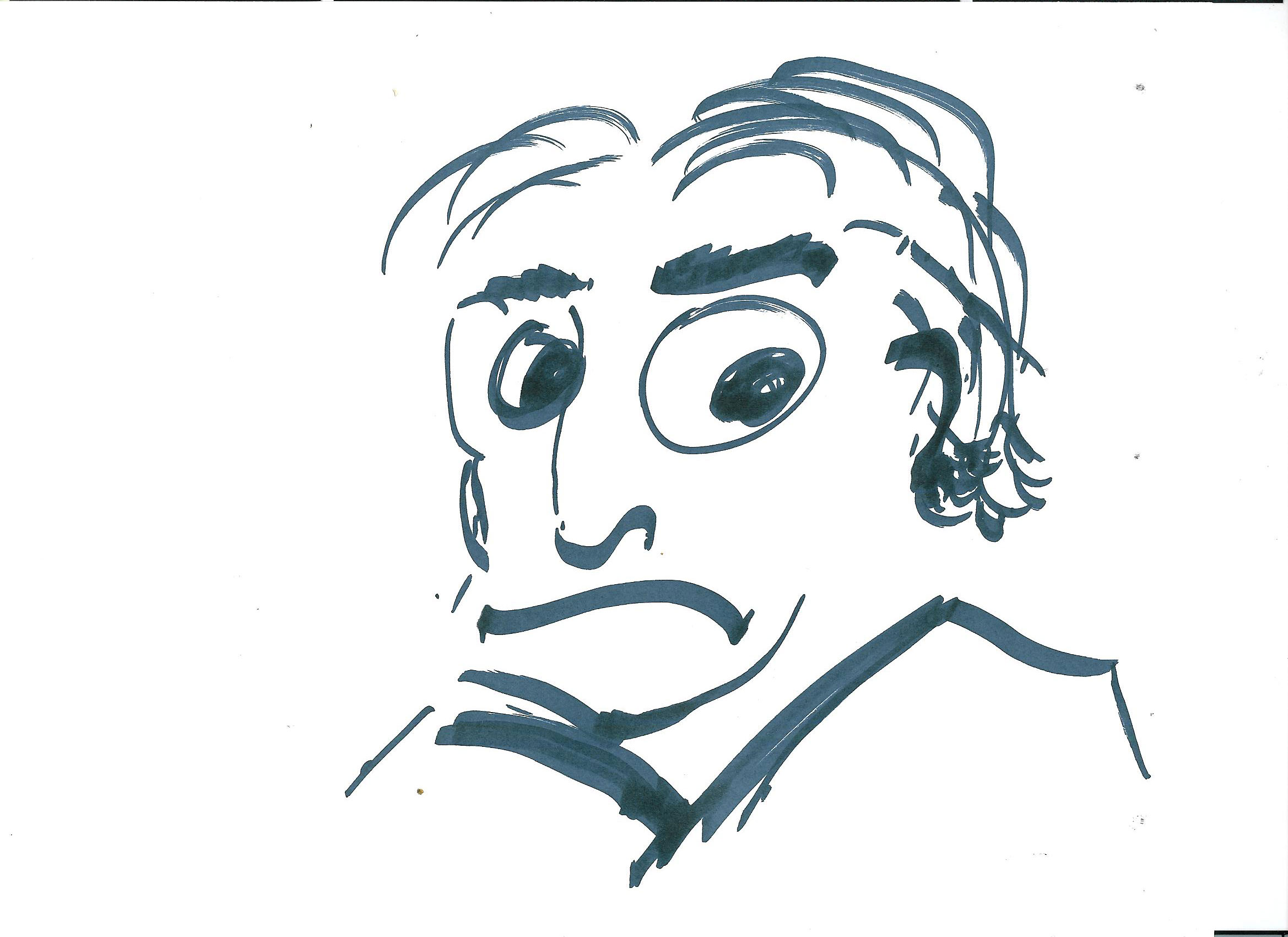


 108zenbooks