


Yesterday was the Feast of All Souls, part of the celebration of the Day of the Dead, and the transitional time between light and dark. It’s a time of going inwards, into the depths of a warm hearth, a warming heart. It is a time of entering into that liminal space where we meet our ancestors and ourselves as ancestors.
As part of sangha practice, we went for a meditative, contemplative walk through Beechwood Cemetery. Seven of us gathered on a brilliant, cool morning, holding our hearts wide open; this was the closest we were likely to get to a charnel ground practice. To set the frame of our walk, I read from The Hidden Lamp, a fabulous book of koans and stories written by Zenshin Florence Caplow & Reigetsu Susan Moon (review to come later this month!). One hundred tales to shake us up, offered by Awakened Buddhist women over the past 2500 years. Where else could their tellings be honoured than in a vast cemetery.
At the parking lot, I read the story from ninth century China about Seven Wise Women who decide to take their spring journey in the charnel grounds rather than a park. Upon arriving and seeing the first corpse, one of the women says, “There is a person’s body. Where has that person gone?” Another exclaimed: “What?! What did you say?” And all seven were enlightened.
It goes on to tell us that Indra was so taken by their achievement that he offered them whatever they needed “for the rest of their lives.” They declined saying they preferred “a tree without roots, some land without light or shade, and mountain valley where a shout does not echo.” Of course, Indra had none of these to give to which they asked how he could liberate others if he didn’t have these things.
Cheeky. But then that’s what wise women tend to be. Irreverent, impossible, impish, cheeky monkeys.
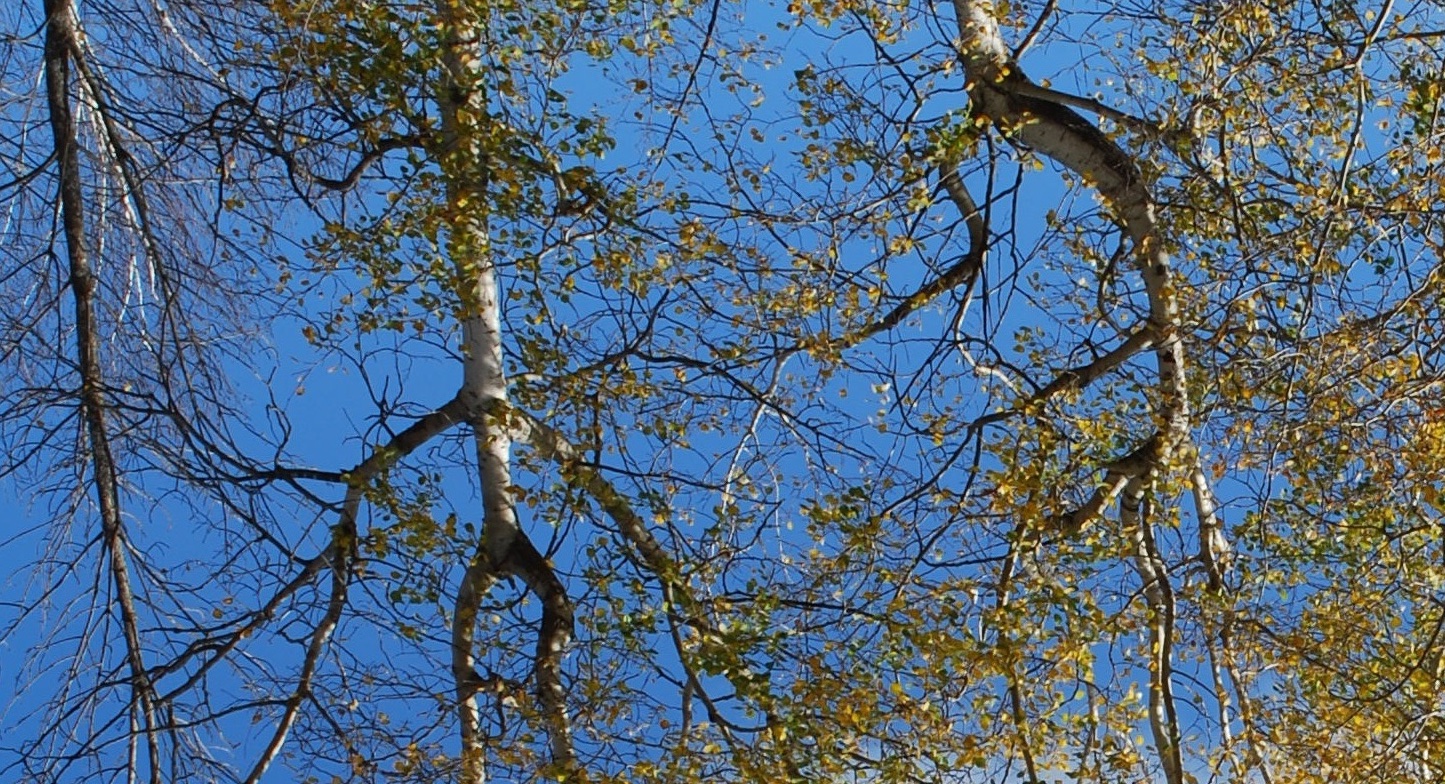
So we walked, considering the many ways our trees had roots, wandering through the light and dark of the pathways in the cemetery and in our minds, hearing the echoes of our ancestors and descendants.
The subtext of our walk was to discover the ways our roots shape our identity. Noticing the names on the gravestones, recognizing some from street names and local businesses. Some of us stopped at places and silently contemplated the story told by the birth and death dates on the tombstones. Father and mother whose three children each lived less than a year. An anticipatory gravestone with the birthdays of husband and wife followed by a dash and a blank – that space of not knowing yet acknowledging that it is inevitable.
We stopped at the gravesite of little Susan Anna Crerar whom I wrote about some time back. We considered her origins (I must admit I played Colombo rather well!) and enjoyed the sparks of information that each person offered. And in the face of being surrounded by over-bearing markers far from her family, the question lingered, “Where had Susan Anna gone?” Where would we go without these roots, light and shade, and no one to hear our voice through the generations?
After placing flowers and sage at her grave, we continued our walk to the military section where her father was buried. The discussion and sharing flowed around the cultural norms of the time when Susan Anna lived and died ever so briefly. From what we know, such losses were shushed up and swept away in silent grief. Her mother, Verse, was described as having “not been feeling well,” a terse avoidance of loss. Perhaps if our trees had no roots such pain would be easier to bear. Perhaps if there was neither light nor dark, we would never lose our way. Perhaps if there was a valley without echoes, we would never be reminded of our sorrows.
Or perhaps we would learn that such things shape us but don’t define who we are.
Then where could we not go?

 108zenbooks