

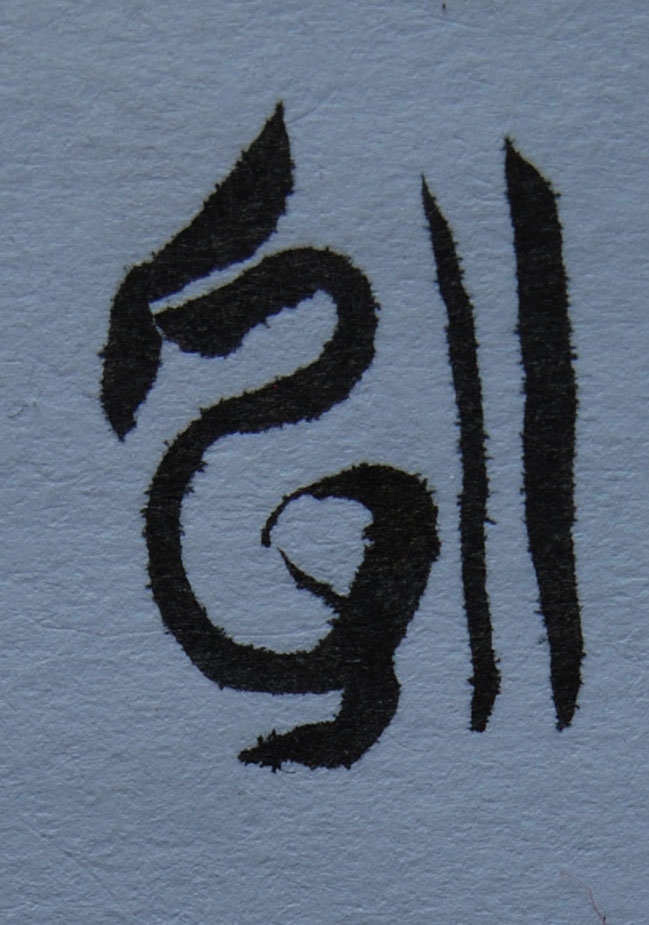
 Zen can get pretty twisted. As I go along trying to be creative with my practice, I find myself getting caught in the twists and turns of form and freedom. Some time ago in sangha, we had an implosion that resulted from a multiplicity of unspoken expectations. Too much form, too little form, too much sitting, too little sitting, too much talk, too little talk. We put all the desires into a pot one day and cooked up a mess that reminded me of a durian – rank and requiring significant fortitude to ingest.
For those of you who haven’t had the pleasure of smelling (and you of great courage who have eaten) a durian, it is an experience that is difficult to describe. Frank used to make fresh durian ice cream – or what The Kid called “dirty socks ice cream.” When she was able to drive and there was any indication of durian in the home, she would vanish for days, leaving no forwarding address. The smell of a durian fruit is so powerful that restaurants in the Far East have banned serving it and apparently there are “no durian allowed” signs found in many places.
Me, I love durian and could eat it all day long which makes me somewhat desensitized to the stench of form. And truth be know, I like my stinky form of Zen. It goes like this:
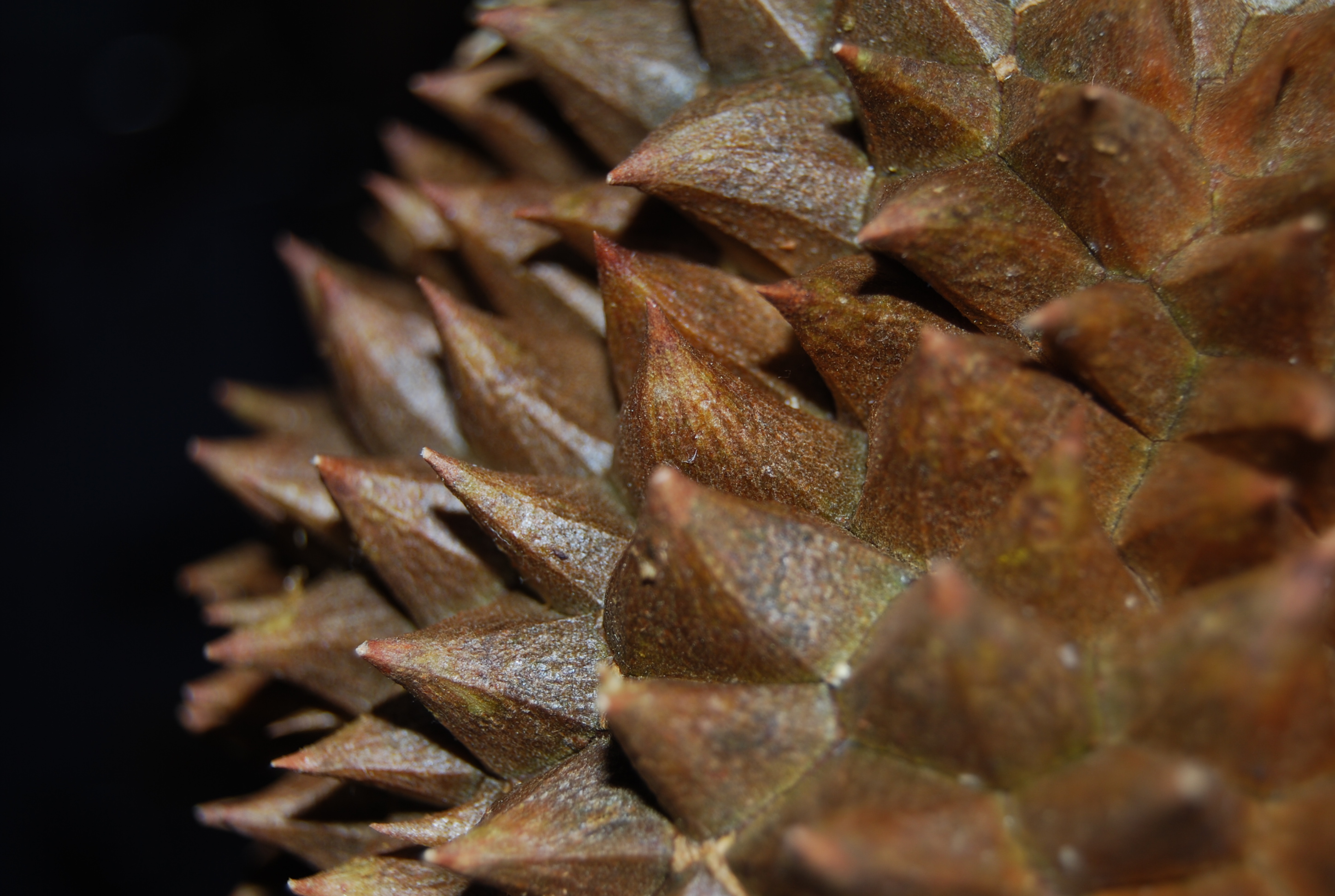 Practice is like picking up a durian; it can hurt. Practice, like the durian, is covered with pointy, pokey, hard thorns that aren’t going to give just because I have soft, tender skin. There’s an art to hoisting practice without getting impaled by my unskillfulness. That art is acquired by entering the zendo just as I would a roomful of people given truth serum. I’m going to hear about what is smelly, see what is rank, and – if I persist – taste the nectar of the fruit in brief moments. Sometimes, it may well be people who impale me on the pointy end of practice; usually it will be the various inanimate teachers – the cushion I toss onto the mat, the mat I kick with my feet, the butt I stick in the air as I pick up a chant card, the look, sigh, clench of jaw as something or someone invades my mental space.
If I want to leave the zendo without looking like an overused pincushion, I’m going to have to learn how to pick up that prickly durian of practice. It starts with stopping: at the entrance of the zendo, at the mat, at the cushion, at the moment of walking, turning, sitting back down. The art of picking up the durian of practice is in letting these pinpoints rest lightly on the raw skin of my life. It is in resisting the desire to close my life around the thick thorns in the belief that if I can grab it, I can heave it up onto the cutting board, cleave it open and get to the meat of things.
It means bowing, lighting incense, chanting, reciting the sutras, following the format of council because all this hardens the skin and strengthens the muscle of awareness. It is committing to picking up that fruit over and over no matter how heavy, how painful, how smelly the forms get.
Someone once asked me, “What’s the point of practice?”
The answer: “Anything that impales your delusion.”
Thank you for practicing,
Genju
 108zenbooks