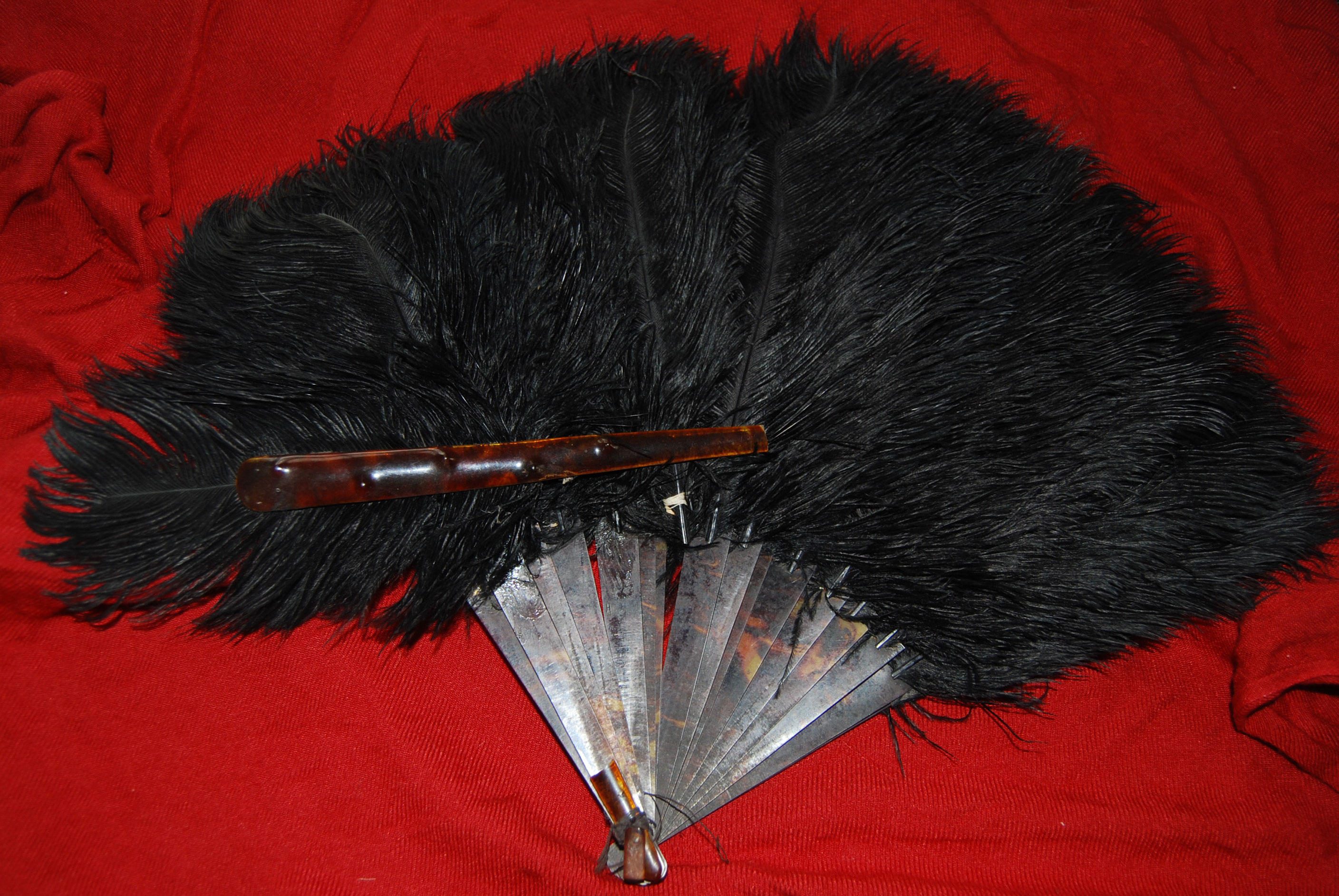
 Yen Kuan called to his attendant, “Bring me my rhinoceros fan.”
The attendant said, “The fan is broken.”
Yen Kuan said, “If the fan is broken, bring the rhinoceros back to me.”
The attendant had no reply.
I brought you back the rhinoceros from Rohatsu. Interesting creature, isn’t he? As you know, I’m a koan study drop-out however, lately, these little blithers keep creeping into my field of practice. This one became quite the insistent bug during Rohatsu, likely riding in on the back of the other bug – the flu.
But first, let’s look at Yen Kuan and his fan. In the various renditions of this koan, he sounds to varying degrees, insistent, petulant, dismissing. Perhaps my experience was coloured by the air burbling up into my snot-filled nostrils because to me, he seemed to be testing his poor attendant as much as all the various practices of trying to sit Rohatsu with a cold and fever were testing mine. Yen Kuan seems to be asking his attendant: Well? What have you created that is refined and special out of all this practice with me? Show me! Bring it here!
I felt like that in dokusan. What is your practice, Genju? How is your practice going, Genju? Questions like that get me focused on the cushion-life of practice. That’s the jewel for most of us, I think. The hours spent following the breath, letting thoughts come and go. Butt to zafu is surely proof of our dedication to this path! It certainly can be and it is so much more heightened in times like a sesshin when we are called upon to exert all that physical presence for hours and hours. And I have. Until this one where the chills, low-grade fever, sprained knee and other aches and pains brought me face-to-face to a very quiet phobia I’ve nursed all my life.
The attendant says the fan is broken. What is he saying? I’ve tried to shape a practice, master, but it hasn’t worked? That thing you think is special just isn’t. It doesn’t always work; it isn’t always of service to me or to the numberless creations I am trying to free. I’m lost. I don’t get it. But Yen Kuan is merciless. None of this backing out and running away, whining and whingeing about your problems! Get back to the raw materials. Bring me back the rhinoceros. We’ll start over with the raw materials of your life.
The days were exhausting, not only because my system was struggling with several challenges but there was no way to replenish. I watched hot oatmeal served into the Buddha bowl during oryoki congeal into a cool mass as we waited for the entire hall to be served and then bowed and chanted before eating. It was vaguely manageable until I watched the hot polenta with cheese harden to a sticky mess that only reluctantly gave way to the edge of my spoon. Then the fan broke.
I have no fear of dying. In fact, my life has been so rich being filled with the gifts of so many beloved ones that should I drop right now on the next keystroke, I would be just fine with it. Being ill, however, is altogether another issue. Ill, alone, isolated from all that sustains me. That’s a brokenness, the fear of which, I have never been able to bear in thought or action. For years, I watched my grandmother – and now my mother – deteriorate in their health, dying neuron by neuron. My father, over eight years, succumbed to one cancerous virus after another. Ironically, in Burma all three lived in terror of contracting and dying from even a simple cold. I was imbued with a psycho-genetic anxiety of getting sick and I thought I had overcome it with all my practice on the impermanence of life. Yet, there I was, feeling broken and facing the choice of giving up or giving in.
In dokusan, Roshi Joan said, rest deeply. Roshi Enkyo encouraged me to dive into the cold because I was the only one who could truly experience it completely. To me, they were asking: what have you crafted from this life of practice that sustains you? I struggled with the confusion of knowing this was not fatal, that nothing was permanent and wanting this fatiguing series of hacking coughs and snotty-sounding blowing of my nose to go away. What was I missing in my practice that this situation had become so complicated in my mind? I watched myself rise at 5 o’clock every morning. Wash. Dress. Walk to the genkan and prepare to sound the han. Despite the foggy thinking and the open door facing a brutal North wind, I managed to keep steady the pace and rhythm of the striker on the wood slab for the 15 minutes of gathering everyone into the zendo. No two rounds were the same and the weak strikes, I realized, were like the brush strokes of the enso, irretrievably broken.
And suddenly, I realized my health insofar as I ever believed I had health, has always been broken. Chicken pox, measles, colds, flu, fevers, sprains, and a myriad of arrows have struck this body. Fibromyalgia, depression, anxiety, chronic fatigue have all cracked and fissured this panel I thought I was keeping whole and unblemished. I didn’t have to worry that the fan might break; it already was broken. Perhaps Yen Kuan’s attendant had this realization too. It is the nature of fans to break. (I think that rascal Yen Kuan knew this all along and was messing with our minds!)
Yet, despite its brokenness, we have found some usefulness in it. Or we might have begun again and again with the raw materials of our life to craft another and another. And those too have broken because that is the nature of all things. So I said to my fear-filled attendant, Bring me the rhino virus! We will work with it, craft another practice of fearlessness from it!
But there’s more than just an individual process pointed to in this koan. Yen Kuan says, Then bring me back the rhinoceros. He didn’t say, Well, go out and get another beast and start over! Asking his attendant to bring him back the rhinoceros might suggest they will work on it together. Koans, after all, are relational; they point to what transpires in the space between you and me, all the roshis and their students, Yen Kuan and his attendant. Between me and all the 10, 000-armed bodhisattvas who held and carried me through the week.
You can fit a nice-sized rhino in that space.
Later this week: Another take on the rhino



 108zenbooks