 We are often surprised that our photographs do not show what we thought we were shooting.
The Practice of Contemplative Photography written by Andy Karr and Michael Wood has just been published by Shambhala Publications. Karr and Wood’s biography on Facebook is simple but fitting of their teaching philosophy:
Andy Karr is a writer, photographer, longtime meditator, and Buddhist teacher. He is also the author of “Contemplating Reality” published by Shambhala in 2007.
Michael Wood worked as a commercial photographer in Toronto, Canada. After discovering Buddhist meditation, he began to synthesize his meditation experience with a fresh way of looking and seeing in his professional photography. He teaches contemplative photography workshops in North America and Europe.
The book, a testament to their teaching skills, is a manual of practice that is probably one of most lucid and captivating I have read in long while. They make the medium of photography the cushion from which we can see how our perception can mislead us and how we tend to dismiss the true sources of light and love in our lives. Karr and Wood are craftsmen, teachers of the craft and cultivaters of contemplation – quintessential dharma teachers using the technology of the camera and the processing of the heart/mind.
As you can see by the opening quote, this is the essence of practice: realizing that the eye and mind see very differently. In this case, their teachings are the essence of mindfulness or sati – the re-membering, bringing together of eye consciousness and mind-consciousness. Chapter by chapter, Karr and Wood take us deeper and deeper into the heart of contemplation through the medium of photography.
For us, the most interesting approach to photography emphasizes the experience of seeing. It is what Henri Cartier-Bresson described as “putting one’s head, one’s eye and one’s heart on the same axis.”
They encourage seeing the extra-ordinary in the ordinary. And we are invited to do so not to achieve some supramundane awareness but to have that seeing clarify the deep inner vision of the heart.
Just wiping the bathroom after you brush your teeth will remove the stains of resentment and carelessness.
I have to stop here for a moment and share that their exercises (which are discussed below) confronted me with the many subtle stains in my bathroom and kitchen. So beware. You may not get through this book because of the frenzied cleaning you need to do before the photography work!
The gentleness in their prose is refreshing. The insights of the ever-present nature of creativity and the immediacy of contemplation are encouraging, especially for those of us who are, shall we say, driven to get that perfect shot.
Contemplative practice requires a basic shift in allegiance.
We are guided into making this shift with their three stages of
- connecting with the flash of perception
- working with visual discernment, and
- forming the equivalent of what we have seen.
As our vision clears and the eye and heart are (re-)united, we live the contemplative photographer’s motto: Nothing added, nothing missing.
The book continues with a number of assignments – color, texture, form. The practice chapter I love the most (yes, the preferential mind is present) is on boredom. As a psychologist and a meditator, I am fascinated by boredom. I never tire of its presence and likely take tea with it more often than I should. Karr and Wood point out that boredom is a seduction away from the present, away from what is real to us right now.
We are afraid of our own hearts.. The heart is so sensitive, so ready to resonate with the world, that we keep it covered, fearing we won’t be able to stand being touched. It might be too intense. We might be overwhelmed. We can’t afford to open up, because who knows what we might feel. It seems safer to armor the heart, even if that shields us from the vitality of life.
Boredom is a sign that your heart is about to be exposed…. Boredom is the forerunner of this distress and a signal that you should seek some diversion to hold your heart at bay.
Karr and Wood have done well to open our hearts -not only by their luscious photography and intense eye but by their generosity in walking us deep into the darkroom of our spirit.
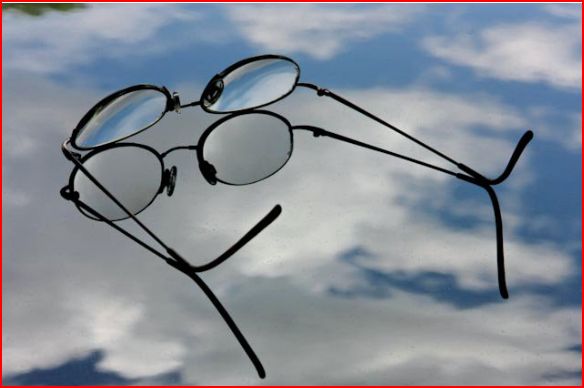
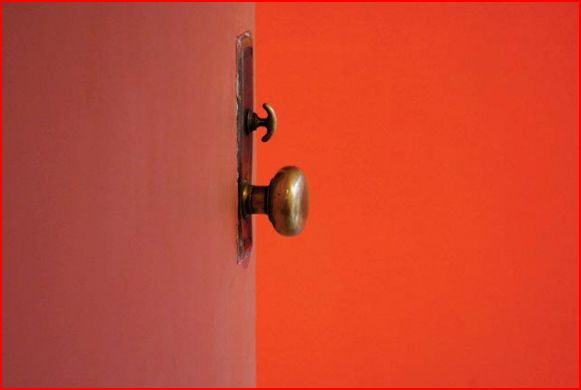
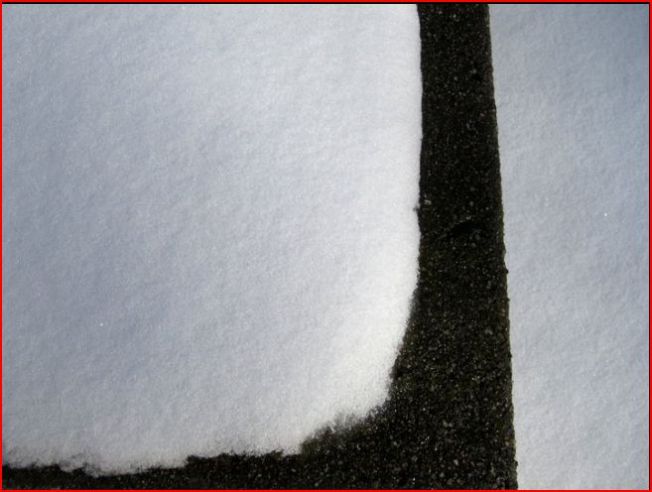
The photographs produced here are from their Facebook and thanks go to Carlos Inada of Dharma/Arte for facilitating this sharing and to Andy Karr and Michael Wood for their gift of dharma.
This is a practice book so over the week I will upload some of my homework assignments from practice with their teachings.
A deep bow to their teachings,
Lynette Genju
Note: Dharma/Arte is a non-profit organization promoting this book; the title link above and on the posts this week is their affiliated link. Purchasing the book from Shambhala via the link provides Dharma/Arte with a percentage of the proceeds of the book.



 108zenbooks