There are lots of books that tell you how to compost. They’re filled with lovely pictures of wood boxes, metal screens, tubs, and containers filled with worms (vermiculture). The text is romantic and seductive, promising that for a few dollars you too can have something rich and dark which will fulfill your wildest horticultural fantasies.
Something gets lost in the translation from book to earth around here. The best we’ve managed are piles of smelly, slimy rotting vegetables. However, the skunks and raccoons seem to think we’re doing just fine.
Transforming our vegetarian gourmet delights into fertile earth is as much of a mystery to me as the creative process, in art and in the life of practice. I follow the directions, build the magical three containers, put in the table scraps of my days into the first one, dig deep with Manjushri’s pitchfork (yes, it’s a pitchfork, not a sword in my part of the world), and wait. And wait. And wait, until I am distracted or so frustrated I just go buy a bag of earth someone else had made out of their own scraps.
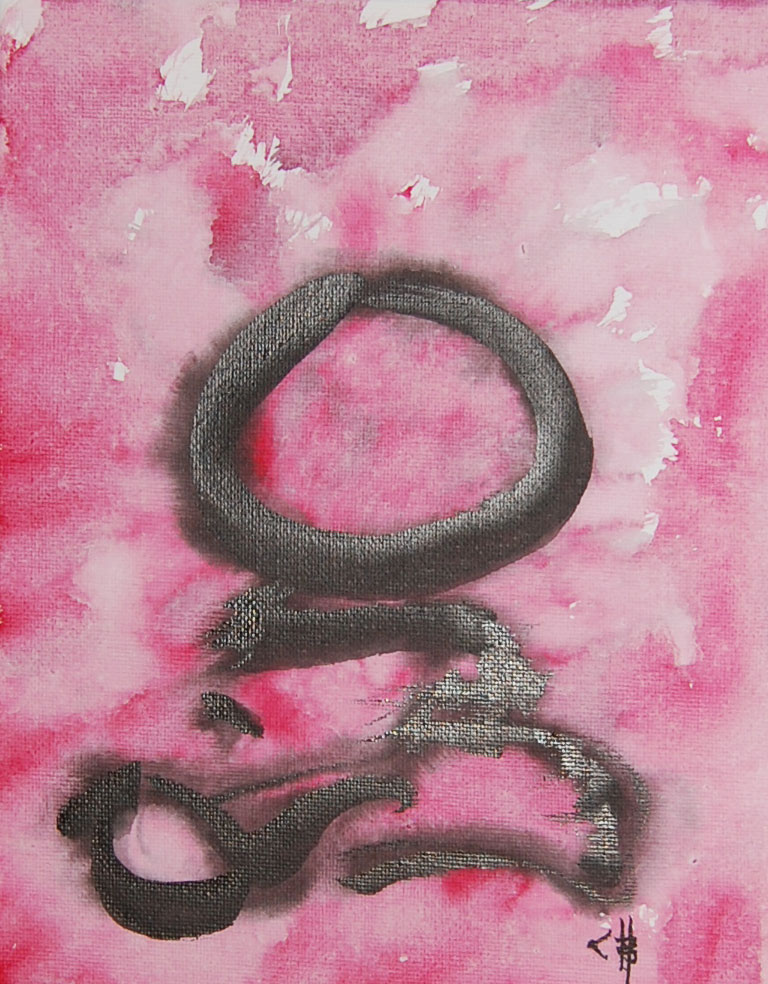
(I have to make a comment here about today’s 108buddha. I really dislike the colour. But what are you going to do; it’s what showed up for today. Such is the makings of compost. Like, not like – degeneration doesn’t discriminate.)
So I continued to fill those containers. Then I learned something. One of those Fine Print Teachings: don’t add fresh scraps to cooking compost. It’s like continuing to add ingredients to a cake while it’s baking. That’s why there are three boxes: fresh scraps which then get turned over into the cooking box which then get turned over into the simmer-until-done box.
Oh, she said.
Practice is like that. “Are you using zazen or letting it use you?”
Oh, she says.
Thank you for practising,
Genju